
Dear WAJAMAMA Community,
February marked a major milestone for WAJAMAMA: the official embedding of our Group Care Model (GCM) at our first two pilot sites–Bwejuu and Chukwani.
After months of preparation, planning, and training, we finally reached the moment where ideas became action. This month challenged us and deepened our understanding of moving towards meaningful and sustainable government ownership.
From Training to Embedding
In November and December of last year, WAJAMAMA conducted a six-day intensive training to equip frontline healthcare workers–nurse-midwives, mental health counselors, clinical officers, and community health workers–with essential maternal health knowledge and skills needed to deliver GCM. The goal was to equip facility teams with the tools and confidence to lead sessions independently, while maintaining the quality of our GCM.
At the time, facility teams could only imagine what GCM would look like in practice. February was the moment when that vision turned into reality.
As GCM sessions began in both Bwejuu and Chukwani, three WAJAMAMA Clinical Mentors and our Mental Health Lead conducted supportive supervision visits focused on mentorship, coaching, and strengthening the quality of care through real-time observations.
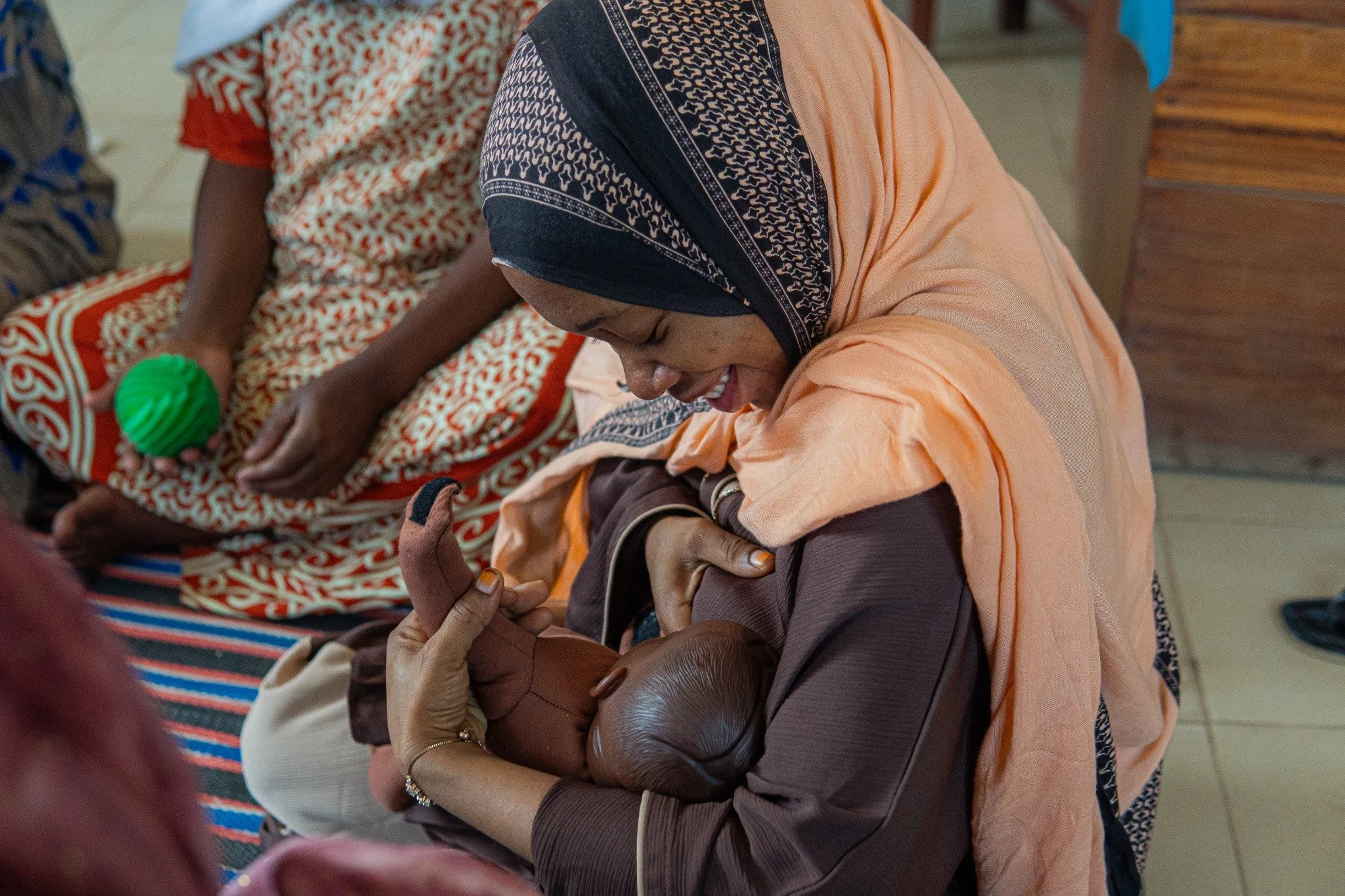
We prioritize simulation-based learning for the mamas participating in GCM and for the clinicians who lead the sessions. Credit: LuluRay Photography.
Working alongside facility teams, we supported session coordination, helped organize mamas into groups, and strengthened data collection and cleaning to improve program tracking.
After each session, reflection meetings were held with full facility teams, including the Medical Officer in Charge (MOI), the Reproductive and Child Health (RCH) lead, laboratory staff, District Health Management Team (DHMT) representatives, nurse-midwives, Community Health Workers (CHWs), and mental health counsellors. These discussions created an important space for shared learning, feedback, and collaborative problem-solving as we continue refining how GCM is embedded within the facilities.
Challenges & Lessons Learned from the First Month
Although embedding GCM within the government system at these sites is a significant achievement, the first month surfaced important challenges and lessons:
Coordinating and organizing the groups proved more complex than expected. Although nurse-midwives at both facilities had begun forming groups months earlier, some structures required adjustment once embedding began. Working together, we reorganized groups and strengthened session flow and communication.
Staff shortages were another major challenge. In some shifts, only one or two nurse-midwives were available while managing multiple services, including one-on-one care, immunizations, and routine facility responsibilities. To help ease this pressure, CHWs and counsellors stepped in to support GCM activities such as blood pressure monitoring and self-assessment.
Another important lesson has been around ownership. Many facility teams still view GCM as a WAJAMAMA-led program. While we are deeply involved in supporting implementation, a key goal moving forward is to strengthen the understanding that GCM is becoming government-owned and facility-led, with WAJAMAMA serving as a technical partner.
“It felt like we were building something together… This process tested our patience and resilience, but it built confidence. Starting something new in a different setting comes with challenges—but we can’t give up. We will keep going.” – Dr. Alice Elton, WAJAMAMA Clinical Mentor
This month reinforced that GCM is not only about introducing a new model of care, but about building systems, confidence, and long-term sustainability within government health services.
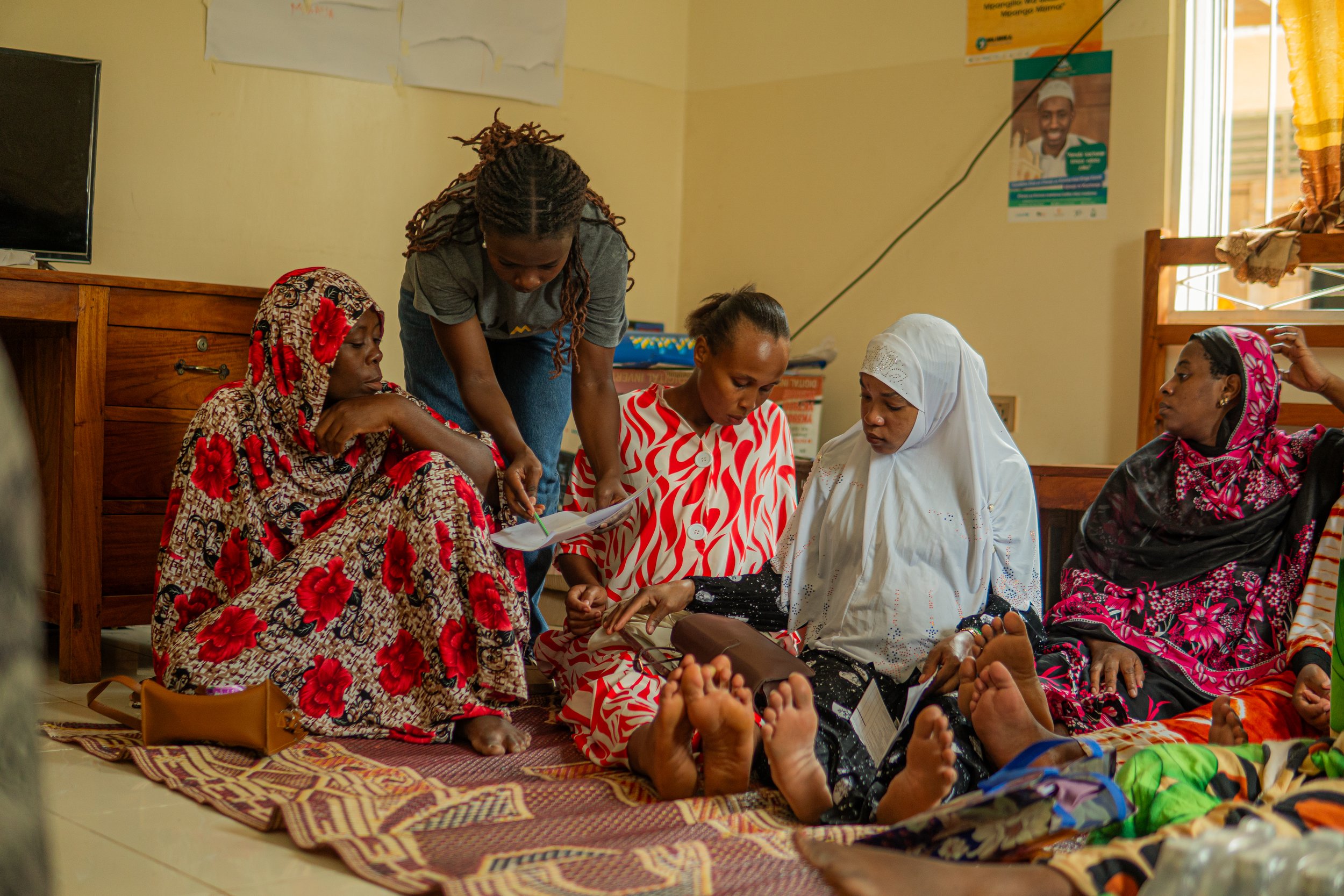
Our Mental Health Lead, Jacqueline Owden, provides operational support during a GCM session in Bwejuu. Credit: LuluRay Photography.
Looking Ahead
As we move into March, we will shift our focus towards improving the quality and consistency of GCM sessions within the government system. At the end of March, we will host in-depth feedback sessions with staff from Bwejuu and Chukwani to learn directly from their experiences.
February was about laying the foundation and beginning to build something sustainable within the health system. We look forward to all the successes and lessons that March will bring!
With peace, love, and light,
The WAJAMAMA Team